
Welcome to a journey through the heart of the Himalayas, where the Bajura District of Nepal stands as a beacon of cultural richness and geographical splendor. Nestled amidst the towering peaks and verdant valleys, this district is a mosaic of diverse ethnicities, languages, and traditions, waiting to be explored.
The Heartbeat of Nepal: Bajura’s Geographic and Cultural Tapestry
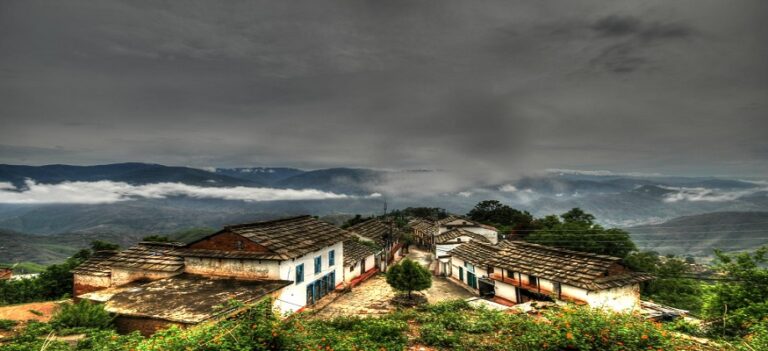
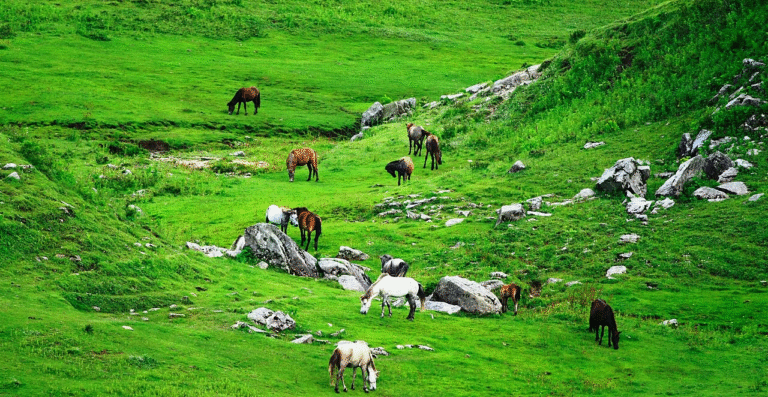
Enveloped by the humbling grandeur of the Himalayas, Bajura district is a symphony of nature’s extremes and cultural vibrancy. To the east and west, it’s bordered by fellow hilly districts, Achham and Kalikot, while Humla and Mugu—districts with their own tales of rustic charm—flank it to the north and south. Here, the climate is a fickle companion: one moment basking in temperate sun, the next shrouded in a cold mist. The geography is a spectacular show of nature’s artistry, from alpine snowscapes that crown the Himalayas to the verdant terraces that embrace the hills like emerald necklaces.
In Bajura, the air is a tapestry woven with dialects. Tibetan influences infuse the northern borders, creating a linguistic blend as robust as the district’s signature millet beer. Nepali might dominate as the official tongue, but it’s the indigenous languages like Nyeshangte that sing the history of its people. These languages aren’t just means of communication; they are living museums of Bajura’s heritage.
The social fabric of Bajura is a colorful one, with the Thakuri, Chhetri, Brahmin, and Dalit communities threading through the population. Each caste brings its own traditions, beliefs, and festivities, contributing to a rich communal tapestry that defies the rigid segregation often seen elsewhere. Instead, a shared identity is forged from the rugged life in the hills, where cooperation isn’t just valued—it’s vital for survival.
Amidst this communal blend, the literacy rate tells a story of triumph. Once obscured by the shadows of isolation, the people of Bajura have pushed the boundaries of their literacy rate, which is now on an upward trend. Schools dot the landscape, their tin roofs winking in the sun, as knowledge takes root in the younger generation. It’s an upward battle, but the thirst for education is quenching a longstanding drought of learning, and in turn, watering the seeds of development and change.
This district is more than a spot on a map; it’s a living, breathing testament to Nepal’s heart. In Bajura, the resilience of the human spirit dances with the untamed wilderness, creating a place where every vista is a poem and every face tells a story.
Bajura’s Cornerstone: Martadi’s Vibrant Pulse
Martadi isn’t just a name on a signpost; it’s the very essence of Bajura. As the district headquarters, it’s the nexus from where administrative tendrils spread, orchestrating the dance of governance, commerce, and culture that defines the region.
Nestled amid the undulating landscapes, Martadi is the beating heart of Bajura. Its streets echo with the footsteps of its residents – merchants calling out their wares, children’s laughter bouncing off walls, and the rhythmic beat of traditional drums during festivals. Every alley, every turn, tells a story. From the aroma of the local cuisine wafting from street vendors to the vibrant hues of traditional dresses, Martadi is a sensory delight.
But Martadi’s importance isn’t just geographical. Administratively, it oversees the diverse tapestry of local governments that make up Bajura. These thirteen local governing bodies, with evocative names like Budhiganga and Swamikartik Khapar, are more than just administrative divisions. They are unique communities with their traditions, challenges, and aspirations. Each adds a distinct color to the canvas that is Bajura, and Martadi is the frame that holds this masterpiece together.
Moreover, in this central hub, one can witness a microcosm of Bajura’s society. Festivals celebrated with fervor, markets buzzing with traders from nearby districts, and educational institutions fostering the next generation’s dreams. The resonance of Martadi’s pulse is felt far and wide, from the remotest hamlets to the district’s outer edges. And while Bajura is vast and varied, in Martadi, its essence is distilled and displayed with pride and passion.
In essence, Martadi is more than just a place; it’s a living, breathing entity. A place where the past meets the present, and where aspirations for the future are sown. It stands as both a testament to Bajura’s rich heritage and as a beacon pointing towards its bright future.
Must-Visit Marvels of Bajura
Travelers and pilgrims alike find themselves drawn to the magnetic allure of Bajura’s diverse attractions. Each destination in this district offers a unique experience, rich with cultural significance and natural beauty.
Badimalika Temple: A Spiritual Ascent into the Clouds
Perched on the lofty peaks of the Himalayas, the Badimalika Temple isn’t just a site; it’s a journey—a test of faith and endurance. Dedicated to the goddess Bhagwati, this sacred temple is the focal point of a vibrant annual fair during the month of Bhadra (August-September). Pilgrims from all over Nepal, and even from neighboring India, traverse rugged terrains, verdant hills, and serpentine paths to reach this high-altitude shrine. As one ascends, the crisp mountain air and the mystical surroundings inspire a deep spiritual awakening. The temple, shrouded in clouds, offers panoramic views that are as much a feast for the soul as they are for the eyes.
Kolti: Bajura’s Own Adventure Launchpad
Kolti, the adventure hub of Bajura, beckons the brave and the bold. Known for its airstrip, which serves as a lifeline to the outside world, Kolti is also the starting point for numerous treks. Its rugged landscapes challenge trekkers and mountaineers, while its riverbanks invite the intrepid to experience the thrill of fishing or river rafting. The air here is filled with a sense of adventure, and its trails lead to some of the most unspoiled and majestic parts of the Himalayas. Whether you’re a nature lover, an adrenaline junkie, or a photographer seeking the raw beauty of the Himalayas, Kolti offers a gateway to experiences that resonate with the spirit of exploration.
Buddhist Monasteries: Echoes of Ancient Chants
Bajura’s serenity is further deepened by the presence of its Buddhist monasteries. These sanctuaries of peace are integral to the spiritual tapestry of the district. The monasteries stand as beacons of Buddhist philosophy and learning, with monks and nuns devoting their lives to the pursuit of enlightenment. Visitors are often welcomed by the sound of prayer wheels and the sight of fluttering prayer flags, which carry blessings on the wind. The chants of the monks resonate, echoing through the valleys and across the mountains, inviting one to pause and reflect. These monasteries not only provide a glimpse into the practice of Buddhism but also offer a tranquil retreat for those seeking a moment of inner peace.
In Bajura, every location tells a story that’s millennia-old, every landscape holds a legend, and every monastery whispers ancient wisdom. It’s a land where the divine and the earthly realms seem to converge, creating a realm of experiences that linger long after the journey ends.
Frequently Asked Questions
Visit during autumn for clear skies or spring for blossoming rhododendrons. Each season paints Bajura in a different hue!
Support local enterprises, be a responsible tourist, or volunteer with NGOs working in the region.
Guesthouses offer a cozy stay, perfect for soaking in the local ambiance after a day of exploration.
Layered clothing, sturdy boots, and an open heart ready to embrace adventure and authenticity!
Absolutely! Local guides are keen to share their homeland’s stories and secret spots.
In conclusion, Bajura District is a place where each path leads to discovery, and every vista tells a story. Its charm lies not just in its scenic beauty or cultural heritage but in the warmth of its people, who embody the spirit of Nepal in their hospitality and resilience. So pack your bags, chart your course, and let Bajura call to you, as it has to me, through the whispers of the wind and the promise of an adventure that awaits.
If you know any more places where we can visit or any other information then feel free to comment or message us.
You can find article in Nepali language here.
Watch videos of different places on YouTube channel named as THE SANDESH NEUPANE or click here.
All the photo copyright to the respective owner. For any querry or anything related to copyright mail me with proof at sandesh@thesandeshneupane.com or admin@thesandeshneupane.com .