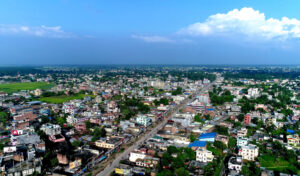


Perched in the far-flung corners of Nepal, where the heartbeat of the Himalayas pulsates through verdant valleys and over soaring peaks, lies the Achham District—a land brimming with stories yet to be told. With every winding road and trail, Achham whispers tales of its enduring spirit and timeless beauty.
Where History Meets Horizon
Wrapped within the embrace of Nepal’s rugged western terrain, Achham District stands as a sentinel of time and tradition. Flanked by Doti to the south, Bajhang to the northwest, and Bajura to the northeast, this slice of heaven is cradled by nature’s grandeur. As you wander through Achham, you’re greeted by the fragrance of rhododendrons—the national flower of Nepal—that adorn the hills in a vibrant spectacle of reds, pinks, and whites.
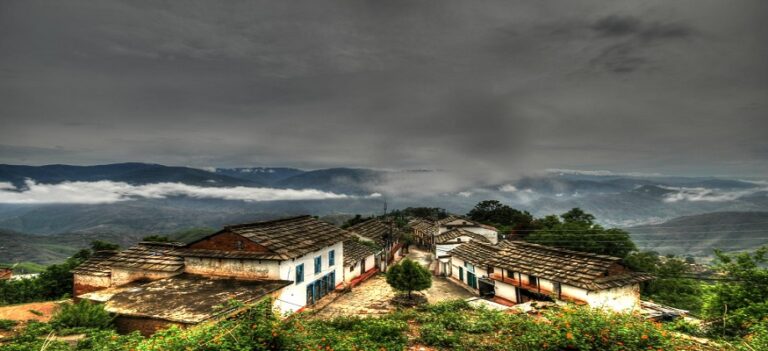
The landscape of Achham is a living museum, dotted with relics and ruins that whisper tales of ancient civilizations. The district is more than just a geographical entity; it’s a historical tapestry rich with the exploits of the far-flung past. Here, the ruins of old forts and remnants of palatial architectures stand as proud vestiges of bygone dynasties, waiting for curious eyes to unravel their stories. The terraced fields that scale the sides of mountains are not just agricultural feats but are chapters of human endurance and the symbiosis with nature that has sustained this community through the ages.
Every hamlet and hearth in Achham has a narrative to share. The rustic life, virtually unchanged for centuries, offers a glimpse into the harmonious coexistence of the past and present. The locals, with their vivid attire and warm smiles, are the keepers of this district’s history, upholding traditions that have been handed down through generations. Their festivals, songs, and dances are not mere performances but are vibrant reenactments of their ancestral heritage.
Achham doesn’t just hold a chronological significance; it’s a testament to the resilient spirit of its inhabitants. Despite the challenges of modernization and the remoteness of their lands, the people of Achham have crafted a life that balances the echoes of their history with the whispers of the present. As the hills of Achham bask in the golden hues of the sunset, they do not just mark the end of another day but the continuation of a legacy that has withstood the test of time.
Climate & Canvas of Achham
The climate in Achham is as variegated as the patchwork of terraced fields that grace its terrain. The district is a theater where nature stages its most dramatic displays, from the rejuvenating monsoons to the crisp winter air that heralds a stark, ethereal beauty.
Summer in Achham is a vibrant affair. As the monsoon season sets in, the skies open up, drenching the land with life-giving rain. These downpours transform the topography into a lush canvas of green, where the paddy fields sway with newfound vitality and the forests glow with a verdant sheen. The rivers, swollen with the monsoon’s bounty, carve through the land, creating a dynamic and ever-changing landscape.
With the retreat of the rains, the land doesn’t lapse into silence but sings with the bounty of the harvest season. The air is a symphony of rustling leaves and the distant laughter of children playing in the fields. This is a time of abundance and celebration, where the community comes together, and the storerooms are filled with the fruits of their labor.
As autumn unfurls, Achham becomes a haven for trekkers and nature lovers. The clear skies provide a crystal-clear backdrop for the stunning panoramic views of the Himalayas. The climate cools, and the land basks in a gentle warmth during the day while nights hint at the coming winter with a pleasant chill.
Winter wraps Achham in a shawl of serenity. The air turns crisp, and the morning frost weaves intricate patterns on the windows and leaves. It’s a quieter time when the hillsides are brushed with a soft palette of browns and yellows, and the pace of life slows down, allowing one to marvel at the simplicity and beauty of nature’s repose.
Transitioning to spring, the district undergoes a renaissance. The earth seems to wake from its slumber as wildflowers burst into bloom and the hills reclaim their lush mantle of green. This is a period of renewal and rejuvenation, where every creature, from the smallest insect to the human inhabitants, feels the surge of life’s energy coursing through the land.
In Achham, climate weaves an intricate dance with the topography, creating a living canvas that changes hues with the seasons. It is this interplay of elements that shapes the lives of those who call this district home, etching a living mosaic of climate and culture.
The Tongue of the Terrain
The linguistic landscape of Achham District is as textured as its topography. Within the whispers of the bamboo groves and the lively banter of the bustling marketplaces, the melodies of Dotyali and Nepali languages ebb and flow. These tongues carry the stories, the songs, and the soul of Achham.
Dotyali, the predominant language of the region, is not merely a means of communication but a vessel for the rich oral heritage of the district. It’s in this local dialect that elders pass down folktales under the starlit skies and share harvest songs that resonate with the rhythm of the land. This language, with its unique idioms and expressions, encapsulates the relationship between the people and their environment.
Nepali, serving as the lingua franca of Nepal, is also widely spoken in Achham, acting as a bridge between the various ethnic groups that adorn the district’s cultural tapestry. It is the language of the schools and the offices, ensuring a harmonious blend between the diverse communities and the nation at large.
The district’s cacophony of conversations is also a testament to its diverse ethnic composition. The Chhetris, known for their valor and history as warriors, bring a certain forthrightness to the dialect. Their speech is direct, much like the mountain paths they traverse with ease. The Thakuris, whose ancestry whispers of royalty and governance, add a layer of formality and refinement to the local language, reflective of their historical stature.
Apart from these prominent castes, Achham is a mosaic of various other ethnic groups, each contributing their linguistic quirks to the district’s cultural dialogue. From the resilient Dalits to the industrious Brahmins, every voice in Achham contributes to the district’s linguistic diversity, creating a symphony of dialects that is as enchanting as the land itself.
The language of Achham does more than facilitate communication; it is a chronicle of the district’s past, a narrative of its present, and a continuous conversation about its future. In every greeting, every bargain struck in the markets, and every song that echoes through the valleys, the tongue of the terrain speaks of a culture that is vibrant, resilient, and deeply interconnected with the ebbs and flows of its stunning natural landscape.
The Pulse of Progress
In Achham District, the winds of change bring with them the rustle of pages and the scratch of pens across paper. Education here is not just about learning; it’s about empowering a community, about transforming the very pulse of progress. The increasing literacy rate is a beacon of hope, signifying a society poised on the cusp of transformation.
The drive towards education is palpable across Achham. Schools have become melting pots of ambition and potential, where children clad in uniforms aspire to craft their destinies with the tools of knowledge. The government’s efforts, coupled with non-governmental organizations’ support, have slowly but steadily borne fruit, as evident in the bright eyes of students who now dream in both Nepali and Dotyali.
This zeal for learning is not confined to the young alone. Adult education programs have started to dot the district, lighting up later-life literacy that offers a second chance at education for those who missed out in their youth. In these classrooms, stories of perseverance unfold every day, stitching education into the community’s generational tapestry.
Achham’s ascent in literacy is a narrative that mirrors its spiritual ethos. Hindu temples stand in serene solidarity with shrines that house local deities, each a chapter of the district’s saga of faith. The residents of Achham, deeply rooted in Hinduism, also embrace animistic and ancestral worship, which colors their religious practices with a diversity that is as peaceful as it is profound.
The festivals here are a vibrant showcase of this religious mosaic. They are times when the entire community comes together, blurring the lines of caste and creed in a collective celebration of life’s cyclical nature. It is in these celebrations that one can witness the harmonious co-existence of mainstream Hindu rituals with indigenous traditions, crafting a cultural identity unique to Achham.
Thus, in every stride towards education and every act of devotion, Achham reflects a society that honors its roots while reaching for the stars. The district’s pulse of progress is felt in its bustling schools, its reverent places of worship, and the harmonious blend of the old with the new—a symphony of change that resonates with the promise of a brighter future.
At the Heart of Achham: Mangalsen
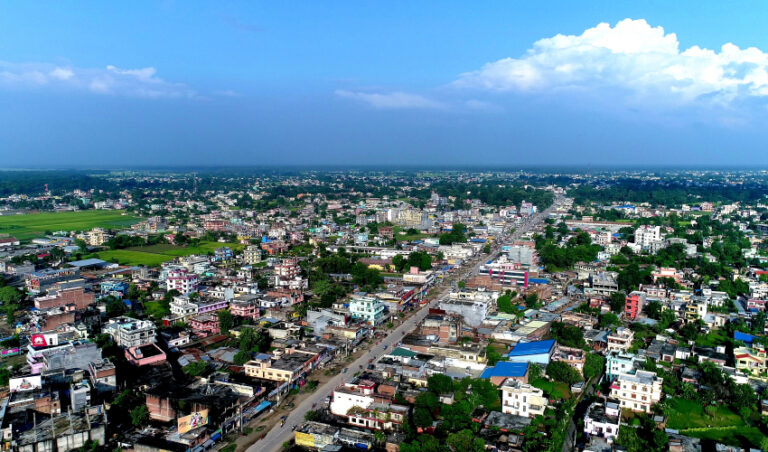
When you arrive in Mangalsen, you feel the vibrant pulse of Achham District. This isn’t just an administrative hub; it’s where the essence of the district converges, where its heartbeat is most audible. Mangalsen, the district headquarters, thrums with the footsteps of progress and the whispers of a rich past.
The town is not merely a point on a map but a living, breathing entity where the ten local governments—like stars in a constellation—find their anchor. Mangalsen represents a central node from which the life of the district radiates. Here, the fabric of daily life is woven with threads of tradition and modernity, of governance and community.
Places like Kamalbazar are more than just coordinates; they are destinations brimming with life, trade, and the mingling scents of street food and incense. The marketplaces are alive with the colorful displays of local produce and the rhythmic haggling of buyers and sellers—a symphony of economic vitality.
Panchadewal, on the other hand, whispers tales of yore, with its historical edifices and sacred shrines standing as sentinels of time. It is a place where every stone and stream tells a story, inviting travelers to step into a world where the past is always present.
Apart from these, the other local units, each with names as evocative as the places themselves—Sanphebagar, Dhakari, Mellekh, to name a few—contribute their unique chapters to the narrative of Achham. They are the microcosms of culture and development that, together, form the mosaic of Mangalsen’s administrative dynamism.
As the heart of Achham, Mangalsen is not static; it pulsates with the potential for tourism, too. Visitors here can witness the seamless blend of administration and allure, finding themselves captivated by the stories etched in the walls of its buildings and the welcoming smiles of its inhabitants.
Therefore, to understand Achham, one must wander through the streets of Mangalsen, engage with its communities, and breathe in the air of a place that is a microcosm of the district’s larger life-force. Mangalsen is not just a headquarters; it’s a home to history, a cradle of culture, and a forge of the future.
Embrace the Extraordinary: Achham’s Attractions
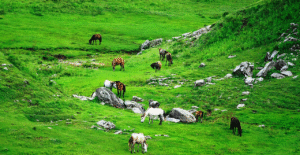
The most visit place in the district is Khaptad National Park. You can enjoy a serene view from here. The greenery that you see there is mesmerizing. You surely don’t want to miss out the view. Along with the different views you can also see different animals from there and enjoy the perfect nature and refresh your mind
Achham District is a treasure trove of attractions, each offering a distinct flavor of this region’s diverse beauty. The tranquil area of Ramaroshan is a series of stunning lakes and meadows that could easily be mistaken for scenes from a fantasy novel. Here, nature’s artistry is on full display as you traverse through rolling grasslands dotted with a necklace of pristine lakes. The region is not just a visual marvel; it’s an ecological haven, home to unique flora and fauna, painting a biodiverse masterpiece honed over millennia.
Then there’s the spiritual heartland of Achham, the Budhinanda temple. This sacred site is not just a structure of worship but a cornerstone of communal faith. Nestled in the lap of serene hills, it offers solace to the spirit and a sense of peace that transcends the mere aesthetic. The journey to this temple is as spiritually rewarding as the destination itself, with each step taken on the mountain paths feeling like a progressive ascent towards enlightenment.
Away from the solemn tranquility, there’s the Saileshwori Temple, a vibrant center of religious festivities. During significant Hindu festivals, this site transforms into a kaleidoscope of colors and sounds, with devotees from all over the district and beyond coming together in a jubilant display of faith and community.
But Achham’s allure isn’t confined to its temples and natural landscapes. There are historical sites like the fort of Ujjaini, standing as silent sentinels of history, offering a glimpse into the region’s storied past. These ancient ruins speak volumes of the once-mighty kingdoms that ruled the lands, of the battles fought, and the legacies left behind.
Additionally, Achham is sprinkled with other lesser-known but equally enchanting sites. The mysterious caves of Patal, for example, beckon the bold and the curious, promising the thrill of exploration and the allure of legend. And for those who seek a connection with local culture, the traditional dances and music at local festivals offer an immersive experience into the heart of Achham’s cultural heritage.
Each of these attractions in Achham is a chapter from an epic tale, a piece of a puzzle that forms the grand picture of this remarkable district. To visit Achham is to embark on a journey that weaves through the tapestry of nature’s artistry and humankind’s devout creations—a journey where every sight, sound, and step tells a story worth cherishing.
Frequently Asked Questions
Without a doubt, Ramaroshan and the Budhinanda temple are at the top of the list. But let’s not forget the vibrant local markets, offering a slice of daily life in Achham.
Achham calls to the intrepid traveler. Whether by road or by air to the nearest airport, followed by a drive, getting here is part of the adventure.
A smattering of Dotyali or Nepali will serve you well. But fear not, the universal language of smiles and gestures speaks volumes here.
From homestays that promise a taste of local life to lodges that offer a comfortable night’s rest, there’s a place for every traveler.
Visit during autumn or spring when the skies are clear, and the festivals are in full swing—a true feast for the senses!
As our tale of Achham District draws to a close, we leave you with an invitation to embark on a journey to this less-trodden path. Let the winds of adventure carry you to the heartbeat of the Himalayas, where every stone, stream, and summit has a story waiting for you. Pack your bags, lace up your boots, and set forth into the embrace of Achham—where the mountains meet the sky, and the soul finds a place to call home.
In the chronicle of travelers, those who choose Achham pen the most riveting chapters. Will you be one of them?