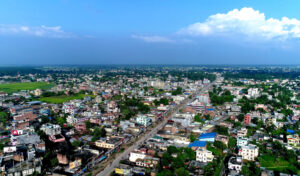
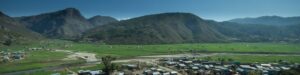

Enveloped in the heart of Nepal’s Sudurpaschim Province lies a district that whispers tales of ancient kings and dances to the rhythm of nature’s untouched beauty. Doti District, a land wrapped in emerald landscapes and steeped in cultural profundity, beckons the curious and the adventurous.
Unveiling Doti: The Heart of Sudurpaschim’s Splendor
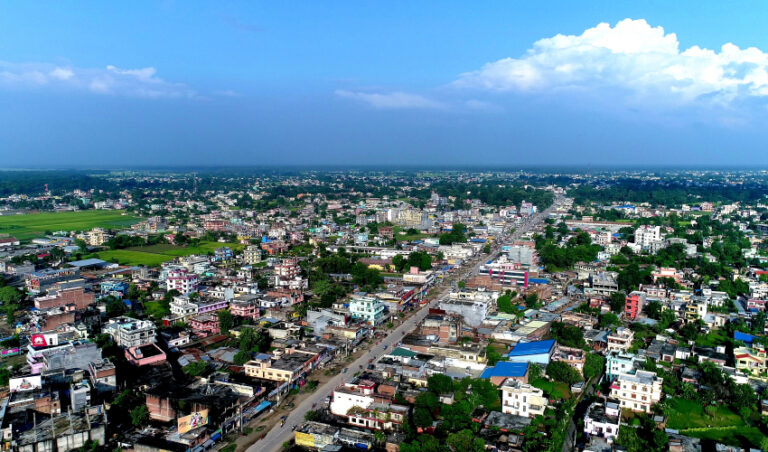
Cradled in the mighty arms of Nepal’s Sudurpaschim Province, Doti District serves as a living, breathing canvas of verdant valleys and cultural vignettes. At its core is Silgadhi, the administrative heart and a tapestry of life’s simple joys and vibrant festivities. Doti’s spirit resonates through its seven municipalities, each a unique jewel in the district’s crown. From the pulsating streets of Dipayal Silgadhi to the serene allure of Shikhar Municipality, the district unfurls as a kaleidoscope of narratives, a place where history and modernity coexist in harmonious splendor. It’s more than just geography; it’s the epitome of Nepalese hospitality, an adventure that beckons with open arms.
Doti’s Geographical Mosaic
Wandering through Doti’s landscapes, one is enveloped by a myriad of dialects, each a note in the grand symphony of cultural diversity. It’s a place where the fabric of society is woven with threads of various ethnic groups, prominently featuring the Chhetri and Tharu communities, each contributing to the district’s rich cultural quilt. As the gentle currents of the Seti River serenade the valley, children’s laughter punctuates the air, highlighting a promising future echoed in the district’s impressive literacy rate. Doti boasts a climate as diverse as its topography—from the warm, humid embrace of its lowlands to the crisp, cool air of its highlands. Every step through this enchanting district is akin to flipping through an enthralling storybook with tales waiting to leap off the page and become part of your own life’s narrative.
Doti’s Cultural Canvas
Doti’s vibrant culture is painted with the festivals and daily life of its people. The Gaura Parva festival, celebrated with fervor, paints the town in colors of devotion and joy, a reflection of the rich folklore and religious fabric that is tightly knit within the community. In this celebration, one sees the true essence of Doti—a spirit of togetherness and harmony. The rhythm of traditional music and the grace of dancers in colorful attire create a mosaic that captivates the soul. This festival, along with many others, weaves a continuous thread of celebration through the lives of Doti’s inhabitants, making it a place where the past is always present, and the future is a shared dream.
Climate: The Breath of Doti
The district’s climate is as mercurial as the rivers that course through its valleys, varying from the subtropical warmth of the Terai to the temperate breezes of the mid-hills. The monsoons dress the region in a cloak of emerald, nurturing the terraced fields that staircase the mountainsides. In contrast, the winters wrap Doti in a crisp, chilly silence, often adorning the higher reaches with a soft, white shawl of snow. This climatic dance dictates the rhythm of agricultural life, which in turn shapes the culture and livelihoods of its residents. The seasonal shifts are not just weather patterns but a backdrop to the theater of daily life in Doti.
Doti’s Linguistic Landscape
The district resonates with the sound of the Dotyali language, a melodic testament to the area’s unique identity. Dotyali is not just a means of communication but a vessel carrying the district’s folklore, idioms, and wisdom through generations. Amidst this linguistic richness, Nepali, as the national language, serves as a unifying thread, ensuring a cohesive narrative in Doti’s diverse anthology of tongues. The language here is more than a tool—it is an expression of identity, a signature of the Doti district that reverberates through the valleys and over the hilltops.
The Ethnic Symphony of Doti
The ethnic composition of Doti is a testament to Nepal’s broader social fabric. The district is home to a remarkable patchwork of communities, each contributing its unique color to the societal canvas. The Chhetri and Brahmin communities, with their deep-rooted traditions, coexist with the indigenous Tharu people and other ethnic groups such as the Dalits. Each caste and ethnicity in Doti brings its own customs, cuisine, and clothing to the fore, creating a vibrant cultural mosaic that is celebrated throughout the year in festivals, weddings, and everyday life. This diversity is a source of strength and pride for the district, showcasing a microcosm of Nepal’s multifaceted heritage.
Religion: The Spiritual Thread of Doti
In Doti, religion intertwines with the fabric of everyday existence. Hinduism, as the predominant faith, paints the district with its rituals and reverence, epitomized by the ancient Shaileshwori Temple, a shrine of myth and worship. Yet, there is a harmony of beliefs with Buddhism and other religions, contributing to a culture of tolerance and spirituality. In Doti, religion is more than belief—it’s the rhythm of life, influencing the daily actions and thoughts of its people.
Conclusion: Doti District, in its essence, is a narrative of unity amidst diversity, a confluence where nature’s artistry and human spirit mingle. As the land stretches from the rolling lowlands to the whispering highlands, it offers an anthology of experiences, from the sacred to the simply breathtaking. To visit Doti is to step into a living diorama where every face is a story, every tradition a chapter, and every sunset an unforgettable memory.
Embarking on the Doti Discovery
Amidst the lush landscapes of Nepal’s Sudurpaschim Province lies Doti, a district that is a confluence of nature and devotion. At its spiritual core is the Shaileshwori Temple, a shrine of divine femininity and an emblem of unwavering faith. This temple, shrouded in legend and folklore, is not merely a structure but the spiritual pulse of the district. Here, history whispers through ancient stones, and prayers rise with the morning mist. To step within its precincts is to journey through time, to witness a living tradition that has been a witness to the changing skies for generations.
A Melting Pot of Culture and Festivity
The cultural tapestry of Doti is a vibrant mosaic, enriched and animated by its festivities. The Gaura Parva festival is one such thread in this tapestry, a celebration that brings to life the myths and melodies of Doti. It is a time when the district is awash with the joy of dance and the resonance of traditional music. Men and women adorned in colorful attire pay homage to Goddess Gaura, showcasing their heritage with pride and fervor. This festival is more than an event; it’s a window into the souls of Doti’s people, an invitation to partake in their legacy of joy and community. As the drums beat and the locals sing, visitors are swept into the essence of what makes Doti uniquely captivating—it’s a living, breathing exhibit of communal harmony and shared jubilation.
The Narrative of Nature in Doti
Doti’s narrative is deeply etched in its natural beauty. The district’s topography is a dynamic panorama that transitions from the fertile plains of the Terai to the rolling mid-hills, culminating in the majesty of the Himalayan foothills. This diverse terrain is not just a backdrop but an active participant in Doti’s story, shaping the lifestyle, agriculture, and even the folklore of the region. Each valley whispers legends of yore, each mountain peak tells tales of endurance, and the winding rivers narrate the continuity of life. Nature in Doti does not just exist; it speaks, teaches, and provides—a boundless source of inspiration and sustenance.
The Symphony of Languages in Doti
The symphony of languages in Doti is a reflection of its cultural richness. The indigenous Dotyali language, with its melodic nuances, is the voice of the district’s soul. However, the linguistic landscape of Doti is diverse, encompassing Nepali and a spectrum of ethnic dialects. Language here serves not only as a medium of communication but as a repository of collective memory and identity. It is through these tongues that the stories of Doti are passed down, weaving a web of shared history and heritage that is as rich as the land itself.
The Ethnic Ensemble of Doti
Doti’s social fabric is a patchwork quilt of various ethnic groups, each adding its unique hue and texture. The predominant Chhetri and Brahmin communities live in harmony with the Tharu and other ethnicities, creating a vibrant ensemble of cultures. Each group brings forth its distinct traditions, cuisines, and attire, contributing to a dynamic and diverse community life. In Doti, ethnicity and culture interlace, creating a society that is as varied as it is unified, a place where difference is celebrated and respected as a strength rather than a divide.
The Rhythmic Seasons of Doti
The rhythm of life in Doti is dictated by the seasons, with each bringing its own set of celebrations and challenges. The monsoons cloak the district in verdant green, signaling a time of growth and harvest. The winter, with its nip in the air, ushers in a time of reflection and communal gathering around firesides. The seasons in Doti are more than climatic changes; they are a cadence to which life in the district harmonizes, a reminder of the natural cycles that are deeply woven into the fabric of local culture and livelihood.
Exploring the Must-Visit Spots of Doti
- Shaileshwori Temple: Nestled amidst the tranquility of Doti, the Shaileshwori Temple is not just a structure of worship but a testament to the enduring spirituality of the region. This ancient temple, revered by devotees, stands as a sentinel of faith where prayers are said to ride the gentle breezes to the heavens. The experience of visiting Shaileshwori is one of peace and spiritual connection, making it a place where the veil between the mortal and the divine feels whisper-thin.
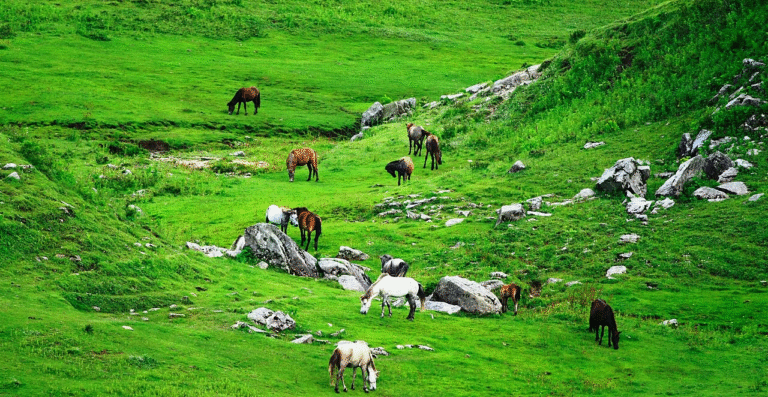
- Khaptad National Park: For those who seek communion with nature, Khaptad National Park is a verdant paradise. It is an expanse of green that stretches over the hills, a biodiversity hotspot that invites you to immerse yourself in its lushness. Home to an array of flora and fauna, the park is an ecological treasure that offers not just scenic beauty but also a silent promise of adventure and discovery.
- Purbichauki: Purbichauki is not merely a location but a vantage point that gifts your eyes with the vastness of the world. From here, one can witness the tapestry of nature unfold in a panoramic splendor that stretches into the horizon. It’s a place to stand and soak in the grandeur of Doti, to fill your vision with skies that merge into mountains and valleys that stretch into eternity.
Climate and Geography: The Canvas of Doti
Doti’s climate and geography are artists that paint seasons with different brushes. The climate seamlessly weaves from the warmth of subtropical zones to the crispness of temperate climates. This ecological diversity ensures that Doti is bathed in varying shades of climatic moods throughout the year. Monsoons dress the hills in emerald, while winters dust the peaks with snow, each season draping the district in a distinct attire. The geographical contours of Doti rise and fall like the rhythm of a symphony, from the low-lying areas at 1,800 meters to the lofty realms that soar over 7,000 meters. This topographical variety does more than define the land; it shapes the lives, cultures, and even the dreams of those who call Doti home.
In Doti, every site is a story and every landscape a poem. It’s a district painted with the brushstrokes of nature’s grandeur and the hues of cultural vibrancy. To journey through Doti is to walk through a gallery of natural and spiritual wonders, each corner unveiling something more beautiful, more profound. From the sacred grounds of Shaileshwori and Badikedar to the natural splendors of Khaptad and the breathtaking heights of Purbichauki, Doti invites all to partake in its majesty, to find amongst its wonders a piece of the universal and the eternal.
Conclusion
Doti District is an embodiment of Nepal’s diverse cultural and natural heritage. A visit to Doti is a plunge into an ocean of experiences, from the reverence of its sacred shrines to the revelry of its festivals. It’s a district where every aspect of life, be it nature, culture, or the spiritual, blends to create an experience that resonates with the soul of the wanderer. Doti is not just a place to visit; it is a place to be felt, lived, and remembered.
FAQs About Doti District
Spring and autumn are ideal, gifting you with the perfect climate to explore the district’s natural and cultural beauty.
Nepali is widely spoken, but you’ll also hear Dotyali and other local dialects that add to the district’s diversity.
Supporting local businesses and participating in community-run tourism initiatives can make a real difference.
The district is a melting pot of ethnic groups, including the Chhetri, Brahmin, Tharu, and Dalit communities.
Indulge in the authentic tastes of Doti with dishes like Daal Bhat and Dhido, made with a touch of local flavor.
Conclusion: Doti, with its undulating hills and warm-hearted people, isn’t just a destination; it’s a journey into the heart of Nepal’s profound beauty. From the sacred walls of the Shaileshwori Temple to the verdant stretches of Khaptad National Park, Doti is a chapter of Nepal’s grand narrative that’s worth reading, and more importantly, experiencing.