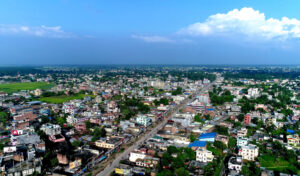

Welcome to Kailali, the western gem of Nepal, where the harmony of culture and nature weaves a tapestry as colorful as its festivals and as expansive as its lush landscapes. Here’s an insider’s guide to this enchanting district—your doorway to adventure, cultural immersion, and unforgettable memories.

Snapshot of Kailali: Where Nature’s Elegance Meets Cultural Richness
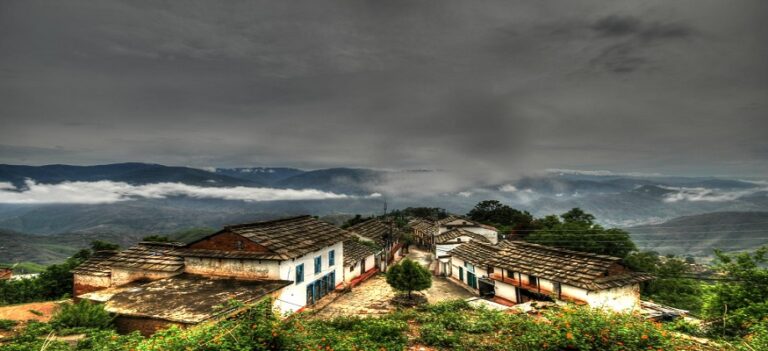
Nestled amid the stunning diversity of Far-Western Nepal, Kailali District emerges as a vivid mosaic of landscapes and cultures. It shares its boundaries with the robust highlands of Doti and the dense forests of Bardiya, while to the south, it’s caressed by the fertile expanse of Kanchanpur. Kailali itself is an epitome of ecological diversity, featuring everything from the subtropical lushness of the Terai to the crisp, invigorating air of the lower Himalayas.
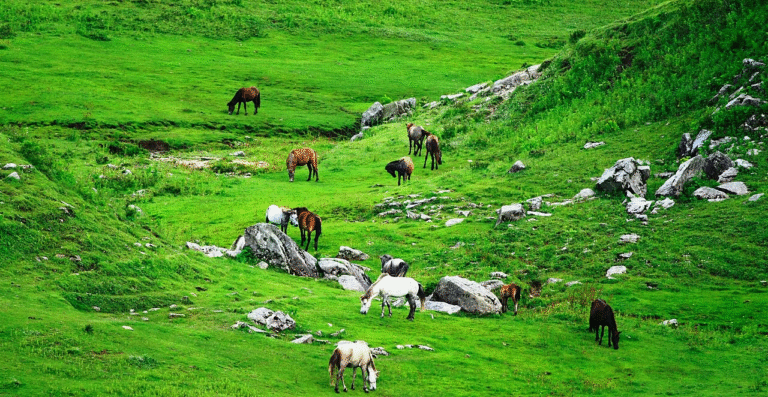
This district is defined by a climatic duality that promises an adventure for every season. The northern reaches, with their cooler climes, invite you to wrap yourself in the warmth of local woolens as you gaze upon the snow-capped peaks. Moving southwards, the air grows warmer, the land flatter, and the skies wider. Here, in the Terai, you’ll find yourself enveloped in a tropical warmth that energizes and revitalizes. The monsoons weave a spell of emerald across the landscape, as the paddy fields and forests glisten with a coat of rain. Meanwhile, the winters are mild and inviting, perfect for explorations of the district’s natural and cultural heritage.
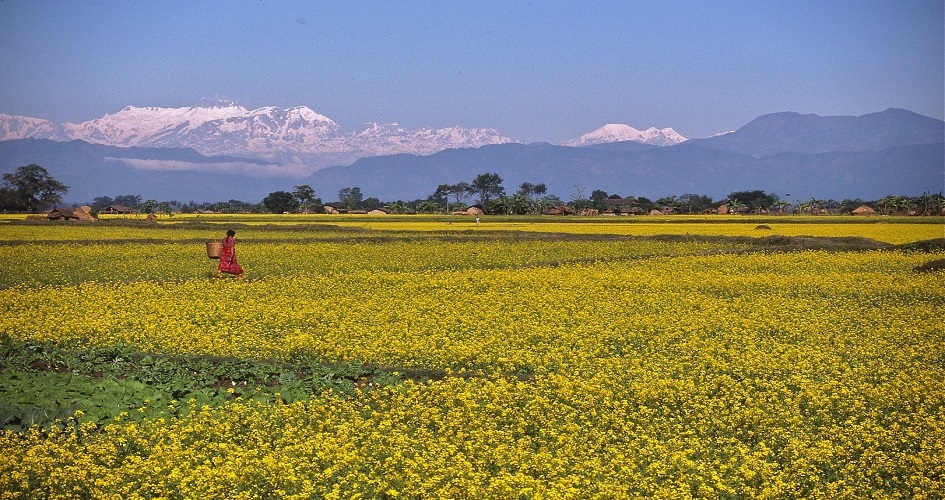
It’s not just a change in altitude that makes Kailali remarkable, but the seamless blend of ecosystems. You can journey through dense sal forests, meander alongside roaring rivers, and stumble upon serene lakes, all within the span of a single day. Each terrain shift introduces a new palette of flora and fauna, making Kailali a biodiverse haven that supports an array of wildlife, from the majestic Bengal tiger to the elusive gharial.
Travelers are drawn to Kailali not just for its natural splendor but also for the warmth of its people. The district is a cultural crossroad where traditions converge, fostering a sense of unity while celebrating the distinct heritage of each community. With every turn in the road, you encounter new dialects, unique cuisines, and a spectrum of festivals that brighten the calendar. Kailali is a place where stories of the past are interwoven with the threads of the present, creating a tapestry as vibrant and dynamic as the district itself.
Etymology and the Essence of Kailali
The name ‘Kailali’ is more than just a label on a map; it is a whisper of history and a bearer of meaning. According to local interpretations, ‘Kailali’ may hark back to the words ‘Kailaali’, where ‘kaila’ denotes a particular type of open space in the local Tharu language, and ‘aali’ relates to a clearing or a comfortable area. This nomenclature reflects not just the region’s physical openness but also its welcoming spirit. The district’s name has become synonymous with its sweeping vistas, where the sky seems to dip down to meet the earth, affirming the harmony between man and nature.

Language in Kailali is as fluid and vibrant as its landscapes. While Nepali is the lingua franca, ensuring coherence and mutual understanding, the district reverberates with the sounds of various ethnic tongues. Tharu, Dotyali, and Maithili languages are spoken widely, each adding its distinctive lyrical quality to the chorus of daily life. These languages carry the soul of Kailali, echoing its past, narrating its present, and singing the dreams of its future.
The Heart of Kailali: Dhangadhi
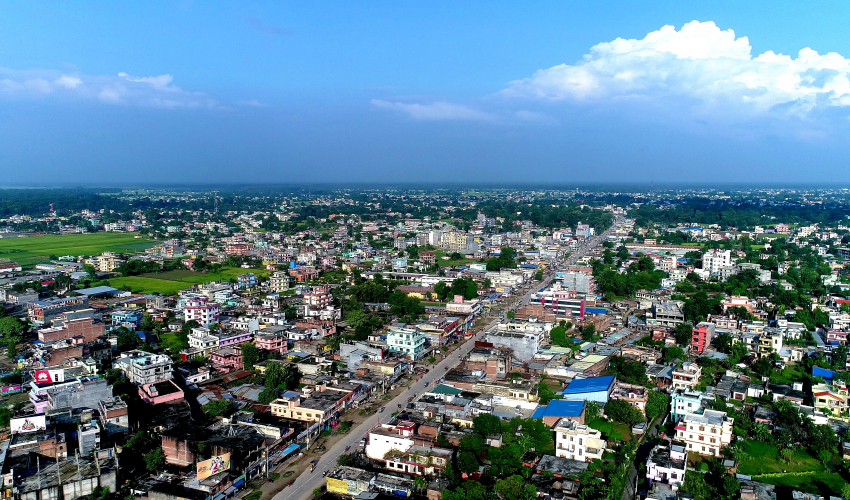
Dhangadhi stands proudly as the administrative and economic nucleus of Kailali District. Beyond the official paperwork and governance, Dhangadhi pulsates with a life uniquely its own. It’s a melting pot where the diversity of Kailali is most palpable. The city doesn’t just administrate but animates the life of the region’s ten local governments, including prominent municipalities like Ghodaghodi, known for its enchanting lake and rich biodiversity, and Tikapur, famous for its luscious orchards and serene riverbank picnics.
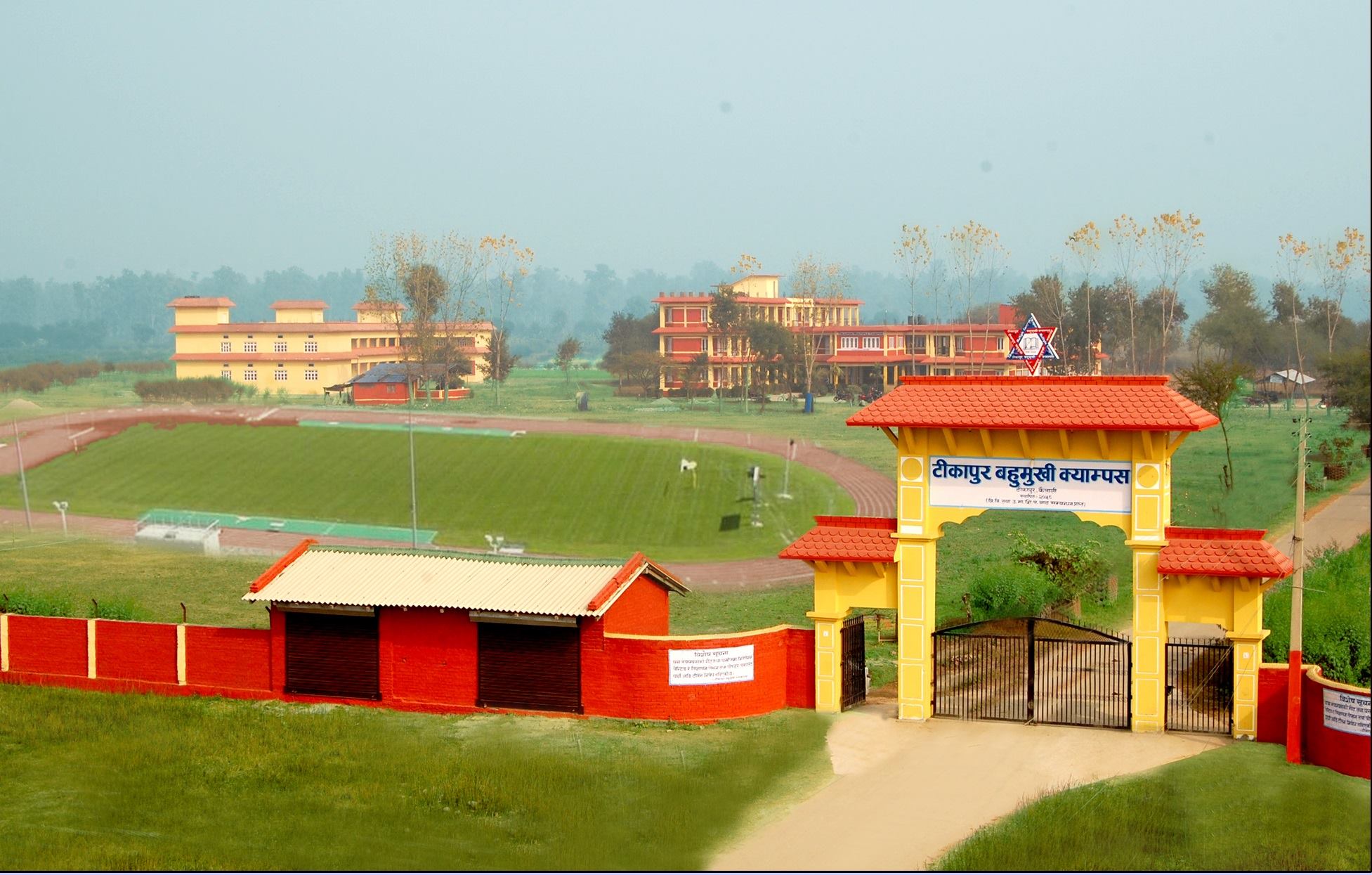
The city’s vibrancy is felt through its bustling markets and lively festivals. Here, the culture of Kailali is showcased and celebrated in its full glory. Dhangadhi’s growing infrastructure and development projects, like the Dhangadhi Sub-Metropolitan City’s recent endeavors, speak of a place that’s on the move, yet the hum of history is never too far away. The city is an anchor, steadying the ship of progress while making sure the sails are wide open to the winds of tradition and culture.
The Cultural Canvas: Ethnicity, Language, and Lore
Kailali’s cultural tapestry is as intricate as it is captivating. It’s home to a medley of ethnic groups, each with its own customs, rituals, and stories. The indigenous Tharu community, with their rich folklore and close ties to the land, forms the backbone of this diversity. They are joined by Chhetris and Brahmins, whose own narratives are interlaced with the region’s history. You’ll also encounter a variety of other groups, like the Madhesi, Dalits, and Rajbanshis, contributing to the social mosaic.

Language in Kailali is a reflection of this ethnic collage. While Nepali serves as the bridge uniting the different communities, the linguistic landscape is textured with dialects like Tharu, Bhojpuri, and Maithili. Each language is not just a means of communication but a vessel of tradition, encapsulating tales of yore, wisdom of the land, and ancestral voices.
It’s this confluence of ethnicities that shapes the district’s approach to education and enlightenment. Kailali’s literacy rate has been on an upward trajectory, evidencing the value placed on learning and knowledge. This commitment to education is paving the way for greater development and harmony among the diverse populace.
As diverse as the people are the religious practices in Kailali. Hinduism predominates, with its vibrant festivals and intricate rituals playing out in temples across the district. Yet, there’s ample space for Islamic traditions, as well as the beliefs of Buddhists and Christians. Each religious community, with its own set of practices and places of worship, contributes another hue to the district’s cultural palette.

This deep sense of inclusivity and cultural richness is what makes Kailali more than just a geographical entity—it’s a living, breathing chronicle of human endeavor and harmony.
Unveiling Kailali’s Natural Grandeur
Kailali District is a celebration of nature’s unspoiled beauty, a place where the natural world is as diverse and vibrant as its cultural landscape. It’s a district where nature is not just seen but felt, with landmarks like Ghodaghodi Lake offering a serene escape, the wild expanse of Shuklaphanta National Park serving as a biodiverse treasure trove, and the life-giving waters of the Karnali River nurturing the land. Kailali is not merely a backdrop for nature enthusiasts; it’s the main stage where the drama of life and the tranquility of nature play out in a beautiful symphony.
When in Kailali: Must-Visit Attractions
Any traveler’s itinerary to Kailali District is incomplete without indulging in the sights that define this region’s unique character. From the natural sanctuaries teeming with wildlife to the man-made structures that stand as a testament to spiritual devotion and engineering prowess, here’s a curated list of must-visit spots that promise to enrich your journey.
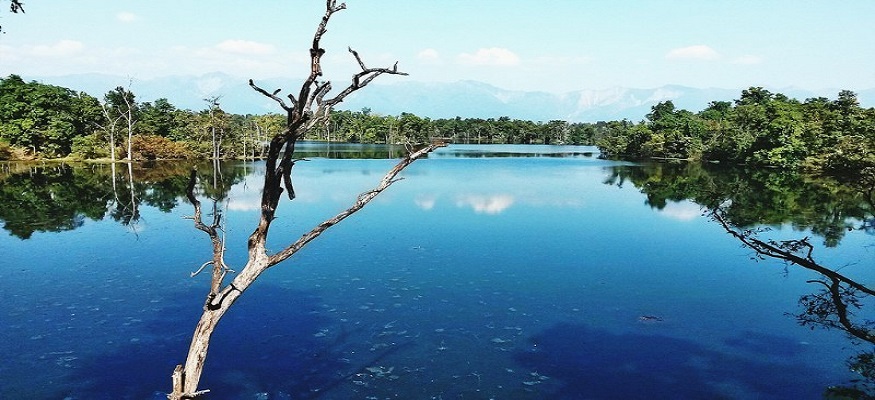
- Ghodaghodi Lake: A Birder’s Paradise
Set against the backdrop of lush forests, Ghodaghodi Lake is not just a visual treat but a haven for bird enthusiasts. As a Ramsar site, it offers a habitat for an array of migratory and residential birds. The lake’s environment allows for intimate encounters with nature, providing opportunities for bird watching, boating, and simply basking in the peaceful ambiance of this natural oasis.
- The Reverent Tikapur Park: A Blend of Nature and Spiritual Serenity
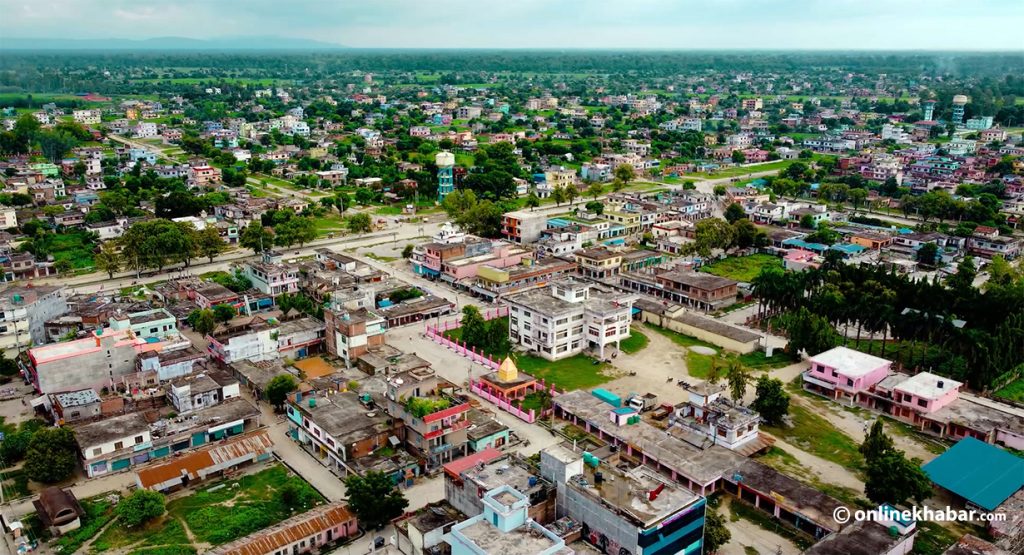
Tikapur Park is where greenery and divinity blend seamlessly. Known for its well-maintained gardens and a peaceful environment, the park is also a site for religious reverence. Visitors can enjoy leisurely strolls along its pathways, engage in moments of quiet reflection, or partake in the local festivals and fairs that occasionally animate this tranquil space.
- Karnali Bridge: The Gateway to Architectural and Engineering Marvel
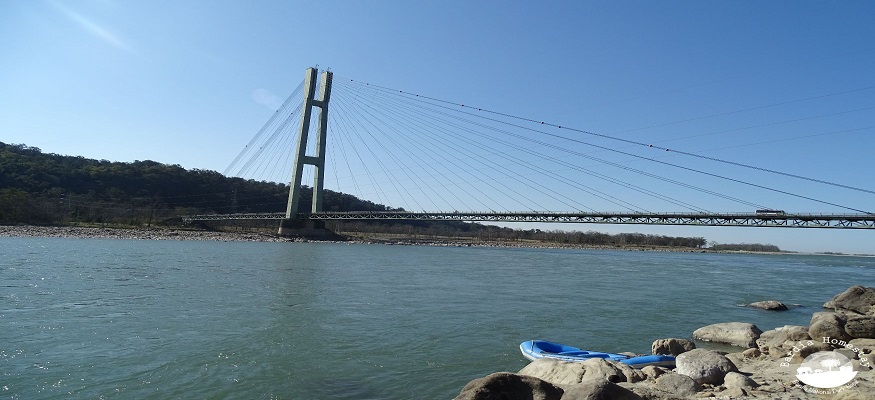
Spanning the mighty Karnali River, the Karnali Bridge is a marvel of modern engineering. It connects distant communities and stands as a symbol of connectivity and progress. For visitors, the bridge offers panoramic views of the river below and the surrounding landscape, making it a perfect spot for those who appreciate the fusion of functionality and scenic beauty.
- Godawari Temple: A Spiritual Journey
The Godawari Temple is more than a place of worship; it’s a journey into the heart of local religious practices. Dedicated to the goddess Godawari, the temple is an epitome of sacred architecture and a hub for the spiritual life of the community. Here, visitors can observe religious rituals, participate in local traditions, and immerse themselves in the serene atmosphere of devotion.
Frequently Asked Questions
A1: Kailali is welcoming throughout the year, but October to March is ideal for a comfortable climate.
A2: While Nepali is the official language, Tharu and other local dialects are widely spoken.
A3: The Tharu New Year, Dashain, and Tihar are celebrated with great fervor.
A4: Yes, Kailali is home to several community-based ecotourism projects, especially around Ghodaghodi Lake.
A5: Absolutely, homestays and cultural tours are available for an immersive experience.
Conclusion: Kailali District – A Melange of Splendor and Spirit
Kailali is not just a district; it’s a narrative of Nepal’s profound beauty and resilient spirit. Its doors are open, inviting the world to discover its enchanting realms. So pack your bags, for Kailali calls for an odyssey beyond the ordinary, into the extraordinary.
If you know any more places where we can visit or any other information then feel free to comment or message us.
You can find article in Nepali language here.
Watch videos of different places on YouTube channel named as THE SANDESH NEUPANE or click here.
All the photo copyright to the respective owner. For any querry or anything related to copyright mail me with proof at sandesh@thesandeshneupane.com or admin@thesandeshneupane.com .