
If you are lazy to read then watch the video about Mustang below.
Introduction
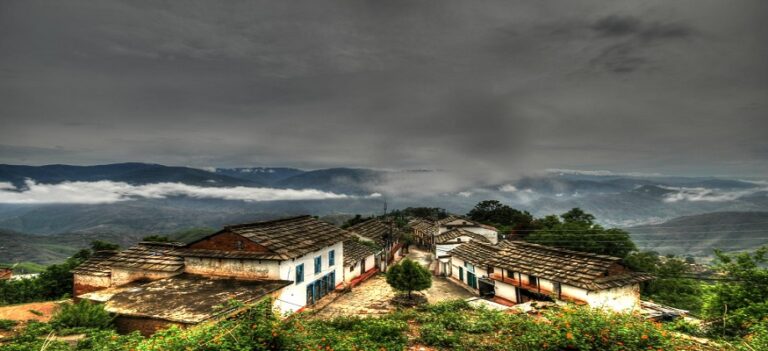
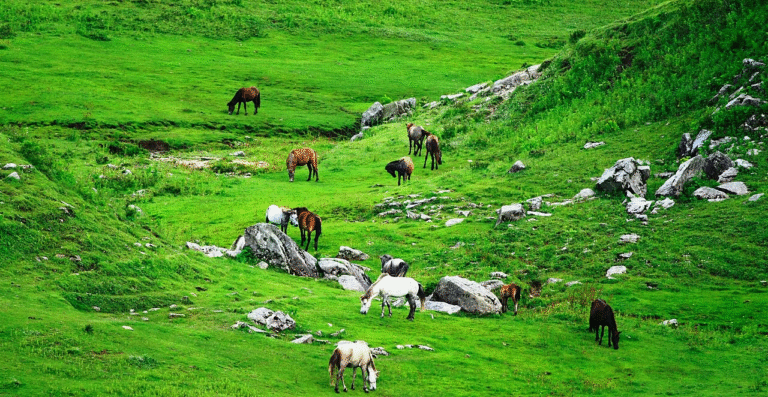
Mustang (नेपाली: मुस्ताङ) is one of the districts known as the district beyond the mountains. Mustang belongs to Gandaki region and Mustang means fertile land. The world’s deepest gorge, which lies between Dhawalagiri and Annapurna mountains, is also in Mustang. We can see many ancient and archaeological heritages in Mustang.

History
Until some time ago, Mustang was an independent state whose art, language and costume were known to be similar to those of Tibetans. The word Mustang is borrowed from the old name of this state – Lo Mustang.
From 1400 to 1600 AD, the Lo-Mustang dominated the Kaligandaki trade between Tibet and India. Lo Mustang supported Nepal in the Nepalese war against Tibet, even though its art, culture, language, etc. were compatible with Tibet. In the 1960s, Mustang became a site for Tibet’s war against China, where Tibetans made hideouts.

Geography
Mustang is connected to the Tibetan plateau. Along with this, big mountains like Annapurna and Dhawalagiri are also located in this district and many mountains above 7,000 meters are also found here. The height of Mustang ranges from 1,372 meters to 8,167 meters.
The entire Mustang district is located in the Annapurna Protected Area, which is also the largest protected area in Nepal. The headquarters of Mustang is Jomsom which covers an area of 3,573 square kilometers.

Mustang
Location: 28.20′ to 29.05 North – 83.30′ to 84.15′ East
Total area: 3573 sq. km.
Altitude: 1,372 m to 8,167 m
Wet and dry season: June to August (184 mm rainfall)
March to June (5mm rainfall)
Maximum and Minimum Temperature: 26°C (May/June), -12°C (February/January)
Snowfall: November to January (15 to 30 cm)
Rivers: Kali Gandaki, Lampodyang River, Leyte River, Thili River, Marfa River, Ghami River, Thak River, Chokopani River.
Major mountains: Dhawalagiri (8,167m), Nilgiri (7,070m), Tilicho (7,132m), Yak-Kawa (6,482m), Tukuche (6,013m),
Ethnic groups: Thakali, Loba and Bahragaunle
Economic activities: trade, tourism, wage labor, agriculture and pastoralism.
Different places of Mustang
Mustang is mainly divided into three parts. Bahra Gaun which lies north of Jomsom, Panch Gaun which lies between Jomsom and Marfa as well as Thak which lies south of Marfa. Twelve villages were also known as ‘Lower Lo’. The famous Muktinath is also located here.
Panch Gaun is the place of Thakali who became Buddhist due to influence of Tibetan living. Similarly, the famous Tilicho Lake, which is known as the highest lake in the world, is also located in the Manang district of Mustang, and it is located at an altitude of 16,140 feet.

Muktinath
Muktinath is a very holy temple for both Hindus and Buddhists. According to Hindus this place is also known as Mukti Kshetra. This temple is an ancient Hindu temple associated with Vishnu.
There are 108 stone streams marked with the faces of snakes and devotees who visit there take a bath from each stream. According to Buddhism, Guru Rinpoche, also known as Padmasambhava, who is known as the founder of Tibetan Buddhism, did meditation and penance at the temple site while visiting Tibet.

Lo Manthang
Lo Manthang is a famous village in Mustang. The place is especially famous for its palaces, monasteries and tall white (waist-like) brick walls. The palace is believed to be around 600 years old and consists of nine corners and five floors.
Due to the earthquake of 2072, many parts of this palace have been cracked. There are four main temples that were built in the 15th century. First Zampa Lakhang/Zampa Gompa also known as House of God. Second is Thubechen Gompa, third is Chode Gompa which is the main temple and fourth is Chop rang Gompa which is the new Gompa.

Man-made caves
Mustang has a group of about 10,000 man-made caves. There are such caves around the Valley. People had found 2,000 to 3,000 years old corpses in search and research.
Buddhist paintings, writings and many other things dating back to the 13th century have also been found. In 2007, a group of 55 paintings were discovered that illustrated the life of the Buddha. These caves make everyone wonder.

How to reach Mustang?
We can go through Road to see many scenic views but air is also an easy and fast way. Similarly, people also travel on foot. There is a daily plane and bus from Pokhara and a bus also goes directly from Kathmandu. You can take a helicopter too.
While going on a walk, we can enjoy seeing many places, breathing fresh and clean air, chatting and having fun, while police check posts at various places give the pedestrian a sense of security. Every village also has telephone facility. Jomsom also has banks and postal facilities.
More…
To read about different places visit thesandeshneupane.com you can find article in Nepali language here.
Watch videos of different places on YouTube channel named as THE SANDESH NEUPANE or click here.